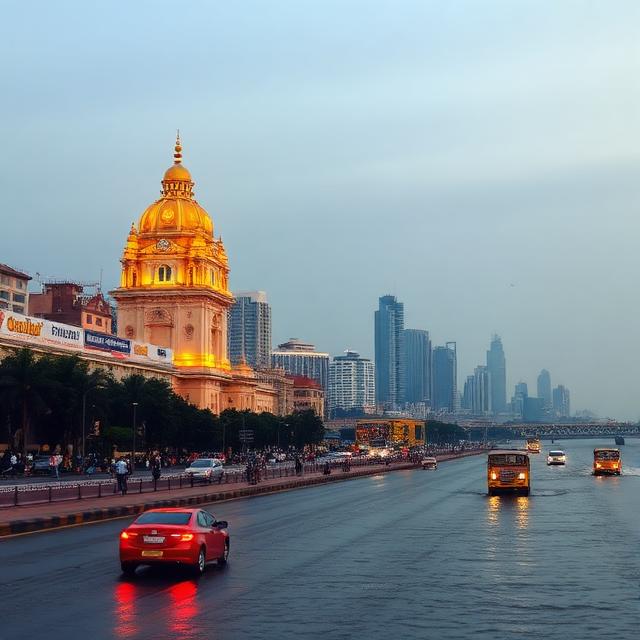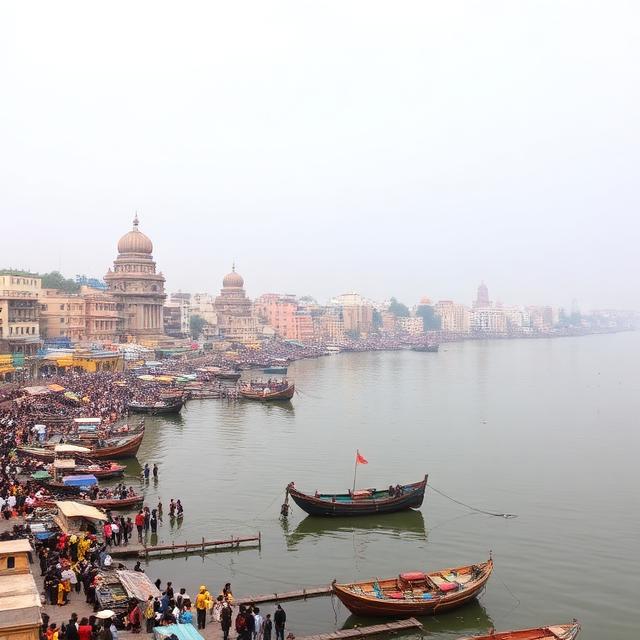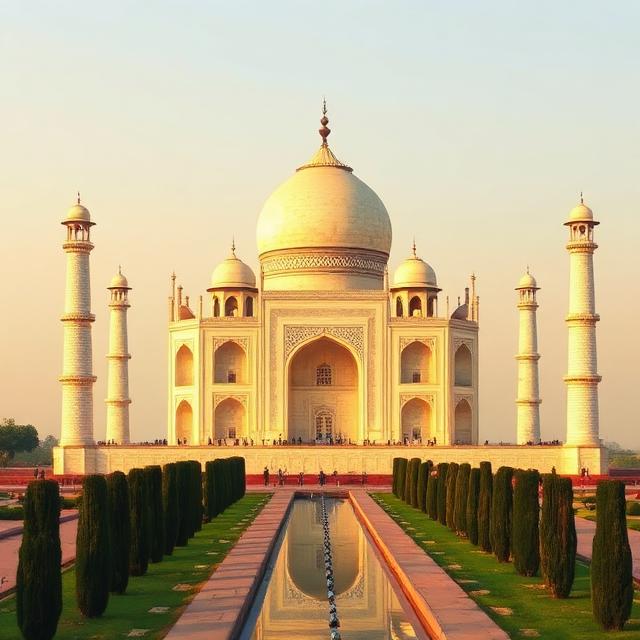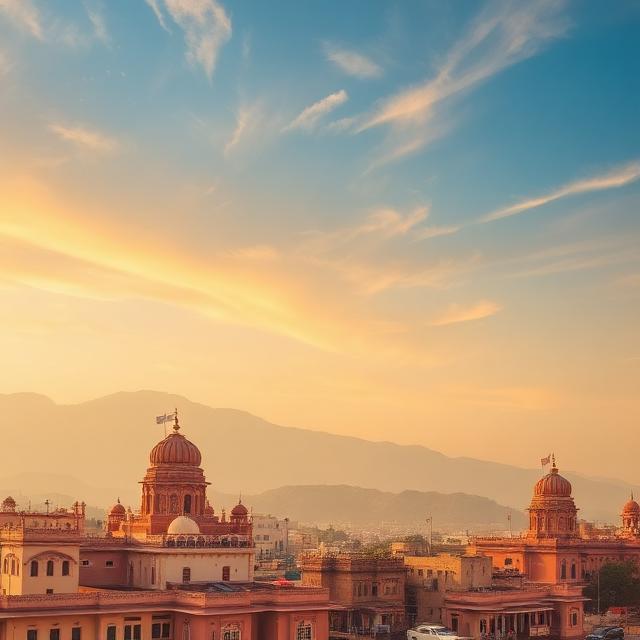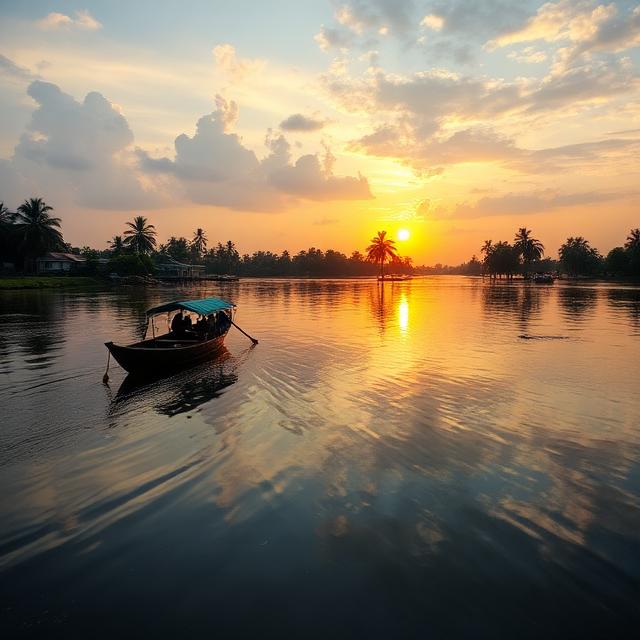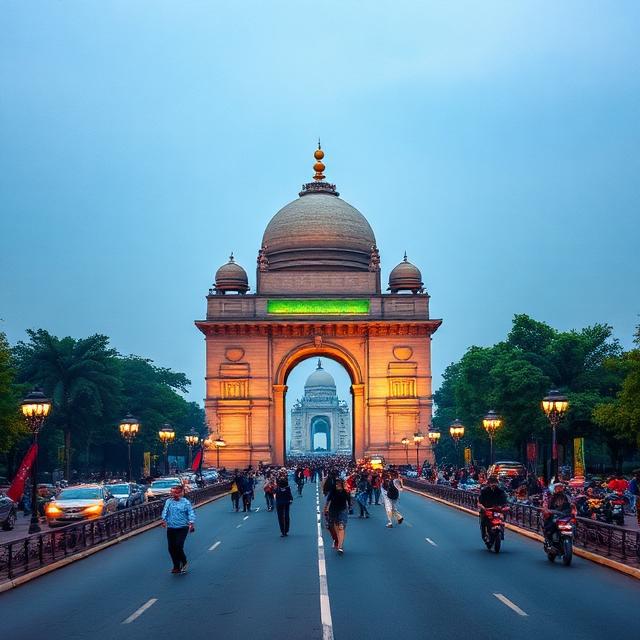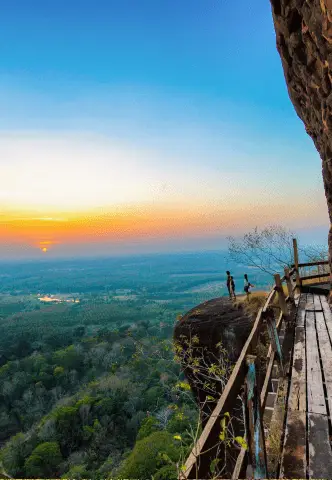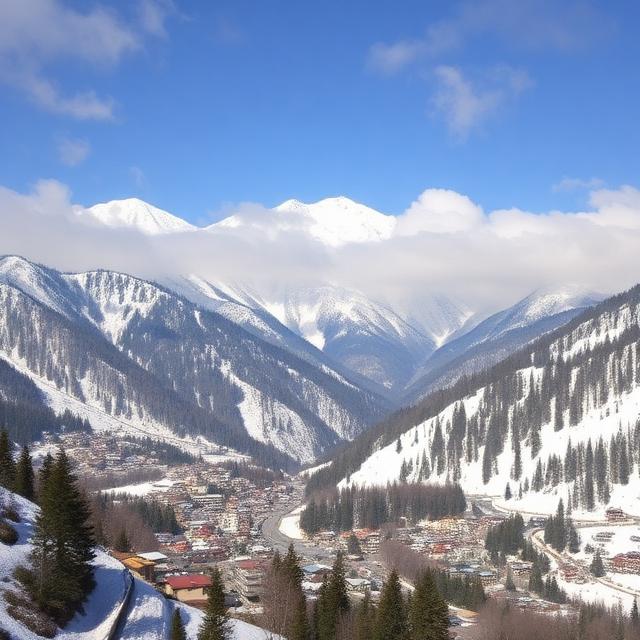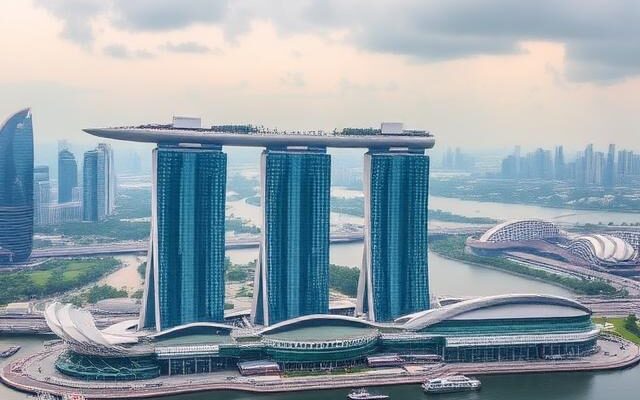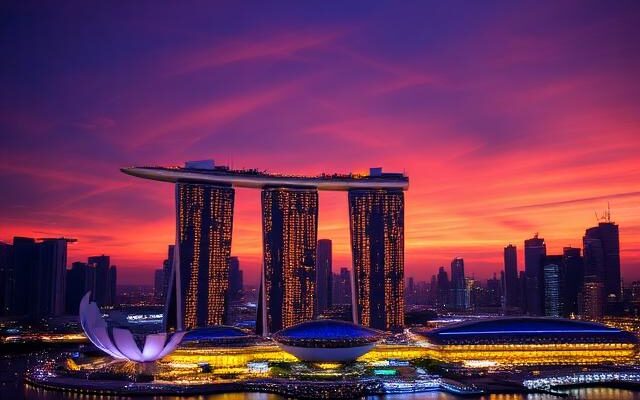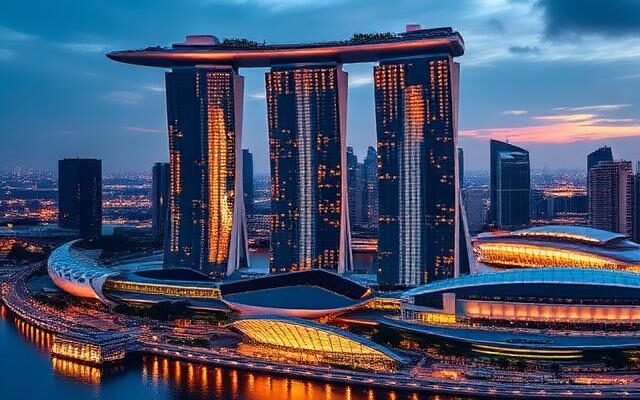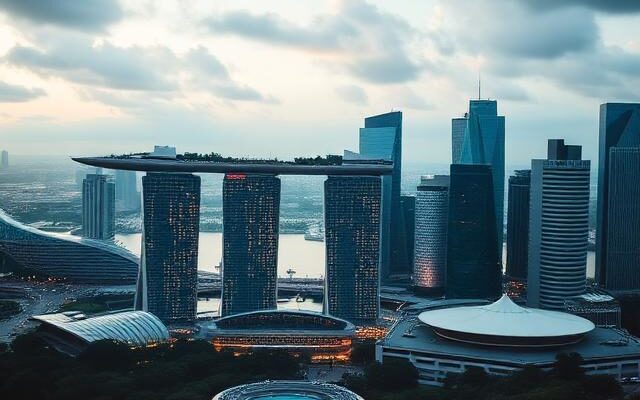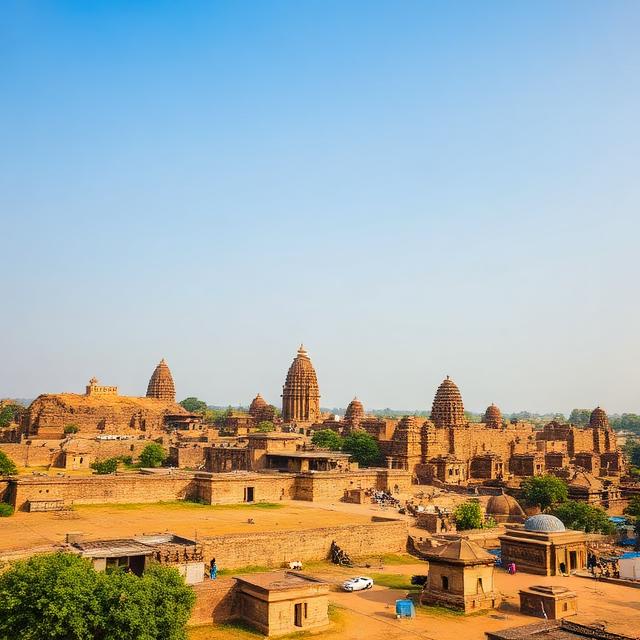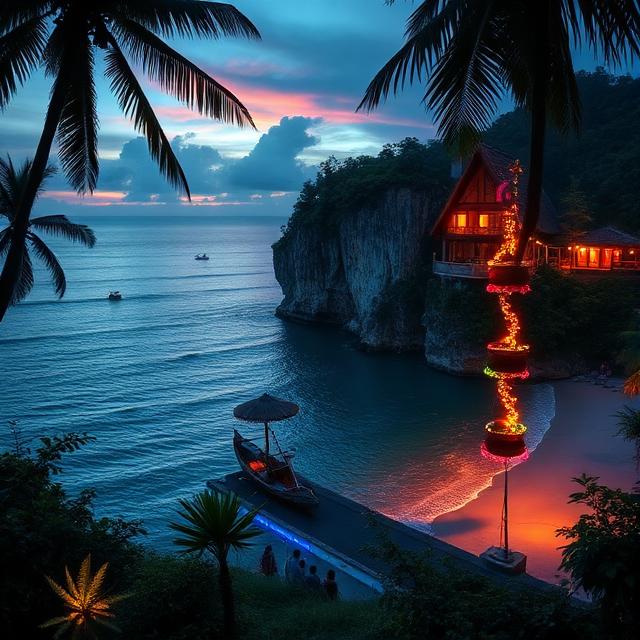
Rather than building from scratch, this design revitalizes a 2-kilometer stretch along the Ganges River in Varanasi. The goal is to decongest the ancient ghats, manage pilgrim flow, and create a world-class interpretive center. The name “Lotus” symbolizes purity and spiritual awakening, core to Varanasi’s identity.
Zonal Master Plan
Zone 1: The Floating Welcome Pavilion (Entry Point)
A semi-submerged, lotus-shaped structure accessible by electric boat from Dashashwamedh Ghat. This pavilion serves as the visitor center. It features:
A 360-degree immersive theater showing the history of Kashi (the ancient name for Varanasi).
A digital queue management system for the evening Ganga Aarti to prevent overcrowding.
Solar-powered charging docks for river taxis.
Zone 2: The Ghat Walk & Silent Zone
The existing 12 old ghats will be restored using local sandstone and traditional craftsmen. Key features include:
A dedicated, elevated wooden walkway for tourists, leaving the lower steps free for pilgrims’ rituals.
“Silent Hours” (6 AM – 9 AM) where no loudspeakers or commercial photography is allowed, preserving the spiritual ambience.
QR-code-enabled heritage pillars: Visitors scan to hear audio stories about each ghat’s legend.
Zone 3: Heritage Craft Bazaar (Underground)
To remove plastic touts and chaotic street vendors from the ghats, a climate-controlled underground bazaar is designed below the promenade. It houses:
Live workshops for Banarasi silk weaving, wooden toy carving, and brass work.
A zero-waste food court serving local vegan thalis (plate meals).
A “Dhobi Ghat Viewing Deck” overlooking the traditional washermen’s area with informative displays.
Zone 4: The Spiritual Interpretation Center
A meditative garden with a central “Eternal Flame” powered by biogas from river cleaning efforts. Features:
Replicas of inaccessible temple carvings for tactile learning (for visually impaired visitors).
A sound studio where visitors can learn to chant a single Sanskrit shloka (verse).
A research library on the Ganga’s ecology and Hindu philosophy.
Sustainability & Design Elements
River Cleaning: The Lotus Pavilion incorporates a micro-plastic filtration system that cleans 10,000 liters of Ganges water daily.
Materials: Only local, low-carbon materials (lime mortar, bamboo, and recycled brass) are used. No concrete is poured on the riverbank.
Waste Management: Every tourist pays a refundable ₹50 deposit for a cloth bag; no single-use plastic is allowed in the zone.
Because we don’t just plan your trip — we craft unforgettable experiences.
Local Expertise ensures authentic, sustainable tourism by empowering resident boatmen, priests, and weavers as the true storytellers and guardians of the destination's heritage.
Clear, upfront costs with no hidden fees or surprise charges, ensuring you pay exactly what you see from booking to final bill.
Round-the-clock assistance ensuring help is always just a call or click away, anytime, day or night.
Because we don’t just plan your trip — we craft unforgettable experiences.
Local Expertise ensures authentic, sustainable tourism by empowering resident boatmen, priests, and weavers as the true storytellers and guardians of the destination's heritage.
Clear, upfront costs with no hidden fees or surprise charges, ensuring you pay exactly what you see from booking to final bill.
Round-the-clock assistance ensuring help is always just a call or click away, anytime, day or night.
We’re committed to offering more than just products—we provide exceptional experiences.
The ideal time varies by region, but generally, October to March (winter and early spring) is the best period for most destinations, as the weather is cool and pleasant—perfect for visiting Agra, Rajasthan, Delhi, and Kerala. Summer (April–June) is very hot in most parts, while monsoon (July–September) is great for lush green landscapes but may cause travel disruptions.
Yes, most foreign nationals require a valid visa to enter India. The easiest option is the e-Visa, available for citizens of over 160 countries. It can be applied for online up to 120 days in advance, with options for tourism, business, or medical visits. Tourist e-Visas are typically valid for 30 days, 1 year, or 5 years, with multiple entries allowed.
India can be safe with proper precautions, especially in tourist-friendly areas like Goa, Kerala, Himachal Pradesh, and Rajasthan. Solo female travelers are advised to dress modestly, avoid isolated areas after dark, use reputable transport (e.g., pre-booked cabs or app-based taxis), and stay in well-reviewed accommodations. Many hostels and tour operators now offer women-only services.
Indian cuisine varies by region, but iconic dishes include butter chicken (Delhi), dosa & sambar (South India), chaat (street snacks), rogan josh (Kashmir), dhokla (Gujarat), and biryani (Hyderabad). Street food is delicious, but always eat from clean, busy stalls to avoid stomach issues. Many restaurants offer vegetarian, vegan, and Jain options.
India has an extensive and affordable transport network. Trains (book via IRCTC) are great for long distances, domestic flights save time between major cities, and buses (state-run or private) connect smaller towns. For local travel, app-based taxis (Uber, Ola), auto-rickshaws, and metro systems in Delhi, Mumbai, and Bangalore are convenient. Pre-booking is recommended for overnight journeys.
A curated list of the most popular travel packages based on different destinations.
Don’t hesitate Call to Travel yog.
+91 94031 12161
info@travelyog.com
+91 94031 12161
Copyright 2026 Travelyog | All Right Reserved.
Accepted Payment Methods :